
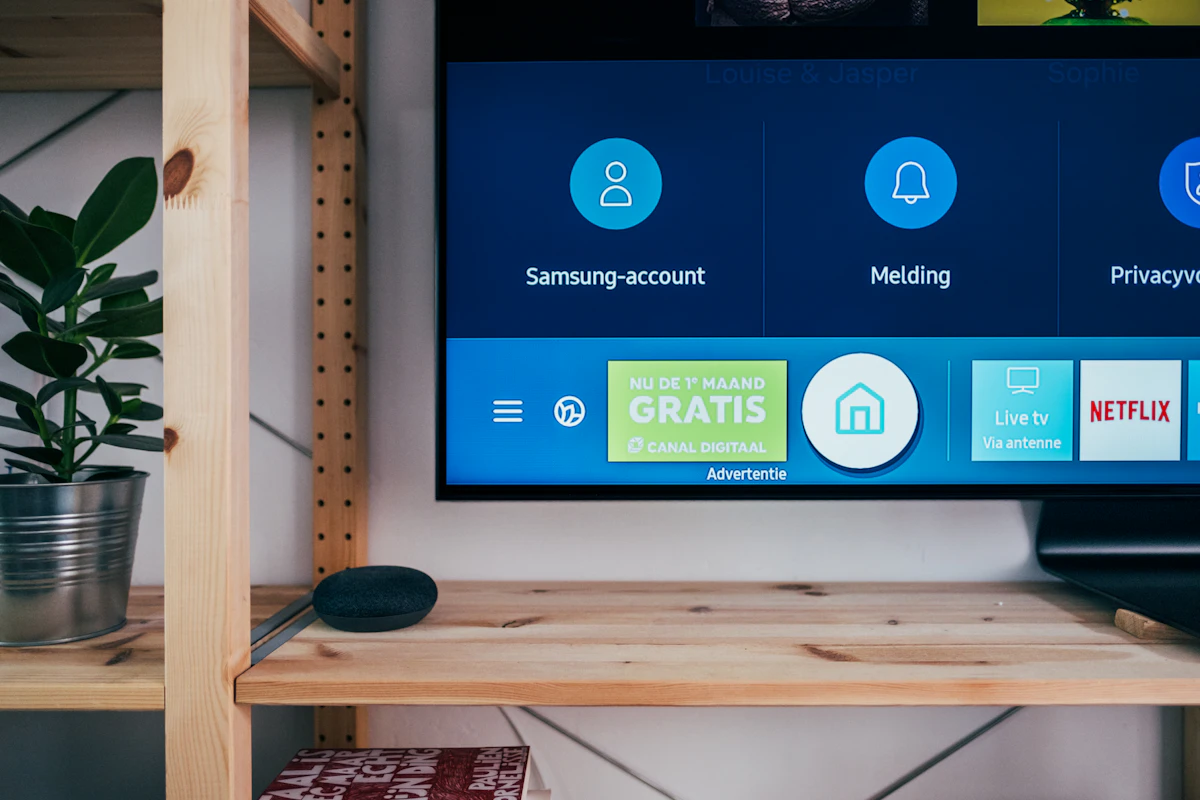
The OTT vs CTV difference continues to create confusion among media buyers, yet understanding these distinctions is critical for optimizing video advertising campaigns. With streaming video ad spend projected to reach $18.9 billion in 2024, precision in targeting and measurement across these environments directly impacts campaign ROI and media efficiency.
What You'll Learn
- Technical differences between OTT and CTV delivery methods
- Platform-specific buying strategies for DV360, TTD, and Amazon DSP
- Performance benchmarks and measurement considerations
- Audience targeting capabilities across each environment
- Attribution and viewability standards for OTT vs CTV
Defining OTT vs CTV: Technical Foundation
Over-The-Top (OTT) Fundamentals
OTT represents content delivery bypassing traditional cable or satellite distribution, streaming directly over internet infrastructure. This encompasses any video content consumed via internet connection, regardless of device type. OTT includes mobile apps, desktop browsers, smart TVs, and streaming devices, with content delivered through various protocols including HLS, DASH, and progressive download.
For media buyers, OTT inventory spans multiple device categories with varying technical specifications. Mobile OTT typically supports shorter ad pods (15-30 seconds), while desktop OTT accommodates longer formats. Cross-device measurement becomes complex as users switch between mobile, tablet, and connected TV viewing within single sessions.
Connected TV (CTV) Specification
CTV specifically refers to television sets connected to internet infrastructure, enabling streaming app installation and content consumption. This includes smart TVs with built-in operating systems, external streaming devices (Roku, Amazon Fire TV, Apple TV), and gaming consoles used for video streaming. CTV represents the premium subset of OTT, maintaining television-like viewing experiences with larger screens and longer engagement sessions.
Technical capabilities vary significantly across CTV platforms. Samsung Tizen and LG webOS smart TVs support different ad formats compared to Roku or Fire TV devices. These variations affect ad serving, creative specifications, and measurement implementation across programmatic campaigns.
Platform Architecture and Ad Serving Differences
OTT Ad Serving Mechanics
OTT ad serving operates across diverse technical environments, each with unique constraints. Mobile OTT apps often integrate with mobile ad serving infrastructure, supporting IAB VAST 4.0+ standards and enabling interactive overlays. Desktop OTT platforms typically support more sophisticated creative formats, including expandable units and rich media integrations.
Server-side ad insertion (SSAI) implementation varies across OTT platforms. Premium publishers like Hulu and NBC Peacock utilize advanced SSAI technology ensuring seamless ad experiences, while smaller OTT platforms may rely on client-side insertion creating potential buffering issues affecting viewability rates.
CTV Technical Infrastructure
CTV environments prioritize television-quality ad experiences through standardized technical specifications. Most CTV platforms support 30-second and 60-second creative formats at 1080p or 4K resolution, with strict file size limitations typically ranging from 200MB to 500MB depending on platform specifications.
CTV ad serving predominantly utilizes SSAI technology, ensuring broadcast-quality transitions between content and advertising. This infrastructure supports advanced targeting capabilities including household-level audience segments and real-time creative optimization based on viewing context and user behavior patterns.
| Technical Aspect | OTT Specifications | CTV Specifications |
|---|---|---|
| Primary Screen Size | 3.5" - 65" (varies by device) | 32" - 85+ (television screens) |
| Typical Session Length | 8-25 minutes | 35-90 minutes |
| Ad Format Support | 15s, 30s, interactive overlays | 15s, 30s, 60s standard TV formats |
| Resolution Standards | 480p - 4K (device dependent) | 1080p - 4K (optimized for TV) |
| Audio Requirements | Optional (mobile consideration) | Required (living room environment) |
Programmatic Buying Strategies
OTT Campaign Optimization
OTT buying requires device-specific optimization approaches within programmatic platforms. In DV360, separate line items for mobile OTT vs desktop OTT enable granular performance analysis and budget allocation. Mobile OTT campaigns typically achieve higher reach but lower completion rates (75-85%) compared to desktop environments (85-92%).
Frequency capping across OTT requires sophisticated cross-device measurement. The Trade Desk's Unified ID 2.0 implementation helps consolidate user identification across mobile apps and desktop browsers, though match rates vary significantly by publisher integration quality. Premium OTT inventory through direct publisher relationships often provides better user matching capabilities than open exchange purchases.
CTV Programmatic Approach
CTV buying strategies focus on household-level targeting and premium inventory access. Amazon DSP provides unique advantages for CTV campaigns through direct integration with Fire TV devices and Amazon Prime Video inventory, typically delivering 15-25% higher viewability rates compared to open exchange CTV purchases.
CTV campaign optimization prioritizes completion rates over click-through rates, with benchmark completion rates ranging from 88-95% for premium CTV inventory. Dayparting becomes critical for CTV efficiency, with primetime inventory (8-11 PM) commanding 40-60% higher CPMs while delivering superior engagement metrics.
Use separate measurement vendors for OTT vs CTV campaigns. Nielsen Digital Ad Ratings provides comprehensive CTV measurement, while IAS or DoubleVerify offer better mobile OTT verification. This dual approach ensures accurate performance assessment across both environments while maintaining proper viewability standards.
Audience Targeting Capabilities
OTT Targeting Precision
OTT platforms enable individual-level targeting through mobile advertising IDs (MAID) and desktop cookies, supporting granular demographic and behavioral segmentation. First-party data integration becomes more sophisticated in OTT environments, particularly for logged-in streaming services providing authenticated user profiles.
Cross-device targeting in OTT requires probabilistic matching for non-logged-in environments. Accuracy rates for cross-device matching typically range from 60-80% depending on data provider quality. LiveRamp's IdentityLink and Neustar's Fabrick provide deterministic matching for premium OTT inventory, improving targeting precision and attribution accuracy.
CTV Household Targeting
CTV targeting operates primarily at household level, leveraging IP address matching, ACR (Automatic Content Recognition) data, and smart TV manufacturer partnerships. This approach provides unique advantages for reaching cord-cutting households and younger demographics increasingly difficult to reach through linear television.
Advanced CTV targeting incorporates viewing behavior patterns, genre preferences, and temporal viewing habits. Samsung Ads and LG Ad Solutions provide first-party viewing data enabling contextual targeting based on actual content consumption, typically improving campaign relevance scores by 25-40% compared to third-party audience segments.
Measurement and Attribution Standards
OTT Performance Metrics
OTT measurement encompasses diverse metrics reflecting varied consumption patterns across device types. Mobile OTT campaigns prioritize view-through rates and app install attribution, while desktop OTT focuses on completion rates and website conversion tracking. Cross-device attribution becomes complex when users initiate video viewing on mobile and complete conversions on desktop browsers.
Viewability standards for OTT follow IAB guidelines requiring 50% of pixels visible for 2+ seconds, though mobile OTT environments face unique challenges. Background app activity and notification interruptions affect viewability measurements, requiring specialized verification partners experienced in mobile video environments.
CTV Attribution Methodology
CTV attribution relies heavily on statistical modeling and panel-based measurement due to limited direct response capabilities. Household-level conversion tracking requires sophisticated data matching between CTV exposure and downstream actions across mobile and desktop devices.
Advanced CTV measurement incorporates ACR data from smart TV partnerships, providing comprehensive reach and frequency analysis. iSpot.tv and TVision provide panel-based attention metrics specifically designed for CTV environments, measuring actual viewership beyond technical ad serving confirmation.
Platform-Specific Implementation
DV360 OTT vs CTV Setup
DV360 requires distinct campaign architecture for OTT vs CTV optimization. CTV campaigns benefit from YouTube inventory integration and Google's household audience segments, while OTT mobile campaigns leverage Android advertising ID targeting and mobile app inventory through AdMob integration.
Creative management in DV360 varies significantly between OTT and CTV formats. CTV campaigns require TV-safe creative specifications with specific color gamut requirements, while mobile OTT supports interactive elements and clickable overlays incompatible with traditional television viewing environments.
Trade Desk CTV Specialization
The Trade Desk's CTV capabilities include direct integrations with major streaming platforms and advanced household targeting through UID2 implementation. Their CTV inventory quality typically exceeds open exchange alternatives, with premium publisher relationships ensuring broadcast-standard ad experiences.
TTD's cross-device measurement for CTV campaigns incorporates offline conversion tracking and store visit attribution, particularly valuable for retail advertisers seeking comprehensive campaign performance analysis beyond digital metrics.
Future-Proofing Your Video Strategy
The OTT vs CTV difference will continue evolving as streaming platforms mature and measurement technologies advance. Preparing for cookieless environments requires emphasis on first-party data strategies and direct publisher relationships across both OTT and CTV channels.
Smart TV operating system consolidation will simplify CTV campaign management, while 5G deployment will blur OTT mobile and CTV quality distinctions. Media buyers should develop expertise in both environments while maintaining flexible campaign architectures accommodating rapid technological changes.
Success in streaming video advertising requires understanding these technical distinctions and implementing appropriate strategies for each environment. Focus on platform-specific optimization, measurement standardization, and maintaining separate performance benchmarks for OTT vs CTV campaigns to maximize overall video advertising effectiveness.