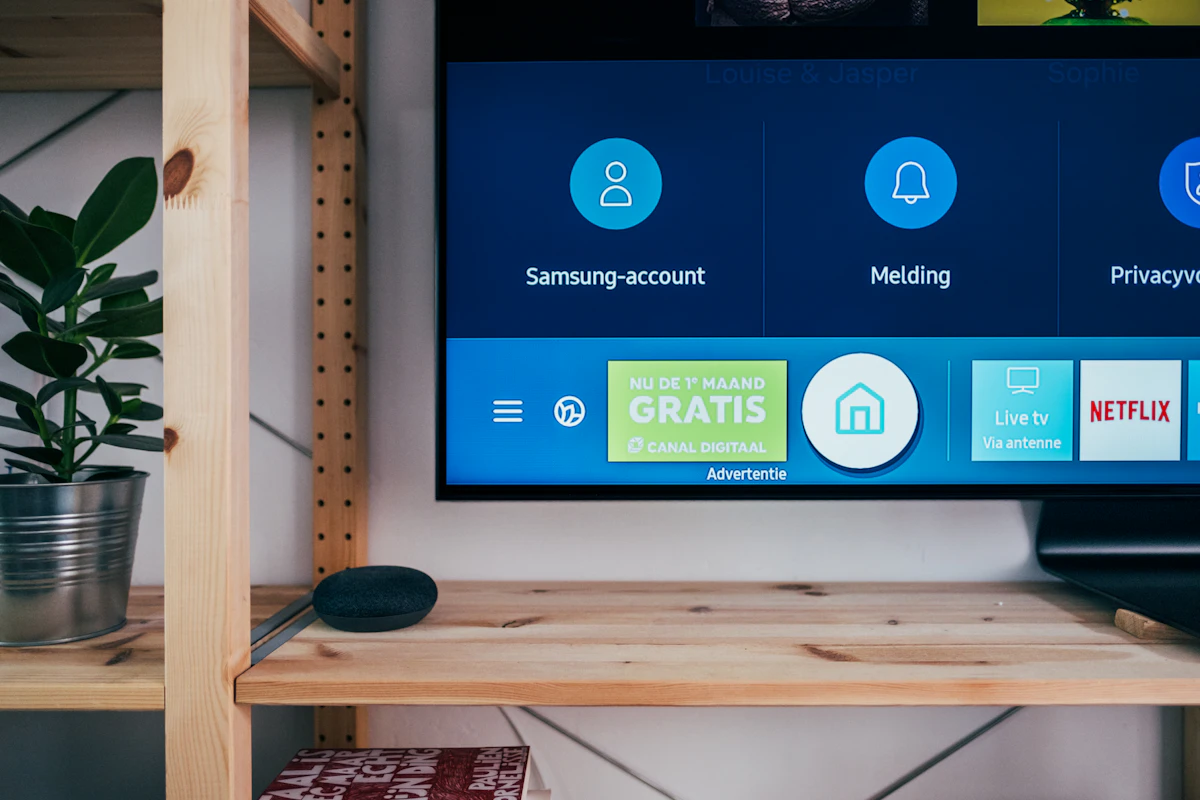

Connected TV ad spend is projected to exceed $42 billion in the US alone by 2027, yet frequency management on CTV remains fundamentally broken. Viewers regularly see the same 30-second spot six, eight, even twelve times within a single evening — a problem that erodes brand equity, drives ad avoidance, and burns media budget at scale. The root cause isn't a lack of awareness; it's a structural identity fragmentation problem that most buying platforms have only partially solved.
What You'll Learn
- Why CTV frequency capping fails at the technical and ecosystem level
- How identity fragmentation across MVPDs, vMVPDs, and streaming apps creates overexposure
- Platform-specific capabilities in DV360, The Trade Desk, and Amazon DSP
- Practical frequency governance frameworks you can implement today
- How cross-device graphs and clean rooms are changing the equation
Why CTV Frequency Capping Is Structurally Different from Display
In display and mobile programmatic, frequency capping is enforced through cookies or mobile ad IDs — imperfect, but functionally consistent across a single device. CTV dismantles this model entirely. A household might access Hulu via a Roku device, Peacock through an LG Smart TV, and Paramount+ on a Fire TV Stick — each generating a different device identifier with no native cross-environment linkage.
The result is that a frequency cap of 3 per day set in your DSP is applied per-device, per-app, or per-publisher auction — not per household or per viewer. A buyer setting a 3-impression cap across five inventory sources can realistically deliver 15 impressions to the same household in 24 hours. That's not a configuration error; it's the default behavior of disconnected supply chains.
The Three Core Fragmentation Points
1. Device ID inconsistency: Roku uses its own RIDA, Amazon Fire uses AFAI, Samsung uses TIFA, and Apple TV uses IFA. These IDs don't resolve to each other without a third-party identity graph, and many publishers don't expose them at bid request level consistently.
2. Walled garden supply: YouTube (via DV360) and Amazon's own O&O inventory operate closed loops. Frequency data from these environments doesn't flow into unified DSP reporting, let alone into cross-platform cap enforcement. A cap set in your DV360 campaign has zero visibility into what Prime Video just served the same household.
3. Publisher-level fragmentation: Even within the open programmatic ecosystem, frequency signals passed via OpenRTB bid requests are inconsistent. Many SSPs and publishers don't include the eids (extended IDs) array with household or device graph identifiers, making cross-publisher deduplication impossible at the DSP level.
The Real Cost of Overexposure on CTV
Overexposure isn't just a user experience problem — it has direct, measurable impact on campaign performance metrics. Research from Innovid's CTV Intelligence Report found that ad recall peaks at 3-5 impressions per viewer per week, then declines sharply. Beyond 8 impressions per week, brand favorability scores drop by up to 22% compared to viewers seeing 2-4 exposures.
For performance-oriented CTV campaigns, overexposed viewers show significantly lower conversion lift. Attribution platforms like iSpot.tv and EDO have consistently documented that households receiving 10+ exposures in a flight show conversion rates comparable to zero-exposure control groups — the ad has effectively become noise.
| Impression Frequency (Weekly) | Avg. Brand Recall Lift | Brand Favorability Impact | Estimated Conversion Lift |
|---|---|---|---|
| 1–2 | +12% | Neutral to +5% | Low (awareness phase) |
| 3–5 | +34% | +18% | Peak (optimal range) |
| 6–8 | +21% | +4% | Declining |
| 9–12 | +8% | –11% | Negligible |
| 13+ | +3% | –22% | Near zero or negative |
How Leading DSPs Handle CTV Frequency Capping Today
DV360 (Google Display & Video 360)
DV360 applies frequency caps using Google's own identity graph where available, which includes cross-device linking via logged-in Google accounts on YouTube and Android-connected environments. Within its managed ecosystem, this works reasonably well. However, for third-party CTV supply accessed via programmatic guaranteed or open auction, DV360 relies on IP-based household clustering supplemented by publisher-provided IDs — coverage that Jounce Media estimates reaches roughly 55-65% of unique CTV households in a typical campaign.
DV360's Connected TV line item type includes household-level frequency settings, but these are only enforced across inventory where Google's graph has sufficient signal. For programmatic buyers running blended CTV + YouTube strategies inside DV360, this is the most coherent frequency governance available in a single platform — but it's still not complete.
The Trade Desk (TTD)
TTD's approach centers on Unified ID 2.0 (UID2) and its proprietary Household Identity Graph. Where publishers pass UID2 tokens or TTD's own household IDs via bid requests, cross-publisher frequency enforcement is achievable within the platform. TTD also operates a dedicated CTV frequency management feature within its platform that allows buyers to set caps at the household level across participating supply partners.
The practical limitation: UID2 adoption among CTV publishers and SSPs remains uneven. Major streaming apps like Hulu (Disney) and Peacock (Comcast) operate their own identity infrastructure, limiting TTD's cross-environment visibility. TTD's Solimar platform does allow buyers to set custom identity priority hierarchies — a meaningful lever for sophisticated buyers managing large-scale CTV plans.
Amazon DSP
Amazon DSP has arguably the strongest first-party identity foundation for frequency management on its own O&O inventory (Prime Video, IMDb TV, Freevee). Fire TV device IDs combined with Amazon account logins create deterministic household graphs that enable reliable frequency enforcement within the Amazon ecosystem. The challenge, predictably, is that this signal doesn't extend to third-party CTV supply accessed via Amazon DSP, where coverage degrades to probabilistic household clustering.
When running CTV campaigns across multiple DSPs simultaneously — a common pattern for reach extension — implement a campaign-level impression budget governor using a clean room or a cross-platform measurement layer like Innovid or FreeWheel. Set each DSP's frequency cap 30-40% below your actual target threshold to account for cross-platform overlap that no single DSP can see. For example, if your true target is 5 impressions per household per week, cap each individual DSP at 3. This crude but effective buffer significantly reduces the worst overexposure cases without requiring full identity resolution.
Advanced Solutions: Clean Rooms and Identity Graphs
Data Clean Rooms for Cross-Publisher Frequency
The most technically rigorous approach to CTV frequency capping at scale is deploying a data clean room — LiveRamp Data Collaboration, Google Ads Data Hub, or Amazon Marketing Cloud — to reconcile impression logs across publishers post-campaign and feed suppression lists back into the buy. This is increasingly used by large direct response and DTC advertisers running multi-publisher CTV buys exceeding $1M quarterly.
The workflow: ingest impression-level logs from each publisher or DSP into the clean room, resolve exposures to a common household identifier, identify overexposed segments, and push suppression audiences back to each DSP before the next flight or mid-campaign. The latency of this loop — typically 24-48 hours — means it's more effective for managing frequency across a multi-week flight than for real-time cap enforcement.
SSP-Level Frequency Management
Platforms like FreeWheel (owned by Comcast) and Magnite are building frequency management capabilities at the supply side for CTV. FreeWheel's Linear Addressable and Streaming products allow publishers to enforce frequency caps across both linear and streaming inventory using their own subscriber IDs — a genuinely cross-environment signal that no buy-side tool can replicate. For buyers with direct publisher relationships or PMP deals, negotiating FreeWheel-enforced frequency caps into deal terms is an underutilized tactic.
Practical Frequency Governance Framework
Given the structural limitations of any single-platform solution, effective CTV frequency capping requires a layered approach combining DSP-level controls, supply curation, and measurement infrastructure.
- Curate your supply path: Prioritize publishers and SSPs that consistently pass household-level identifiers in bid requests. Use supply path optimization (SPO) to reduce the number of SSP intermediaries, which degrades identity signal with each hop.
- Set conservative per-DSP caps: Apply a 30-40% buffer below your true household frequency target in each DSP to account for cross-platform overlap.
- Use PMP deals for frequency control: Private marketplace deals with direct publishers give you single-source impression logs and publisher-side frequency enforcement options unavailable in open auction.
- Implement campaign-level measurement: Use a third-party CTV measurement platform (Innovid, FreeWheel MRM, or iSpot) to monitor household-level frequency distribution weekly. Flag households exceeding 2x your target cap for suppression.
- Negotiate publisher caps contractually: For guaranteed buys, include frequency cap SLAs in IO terms. Most major streaming publishers (Hulu, Peacock, Paramount+) will honor programmatic guaranteed deals with frequency cap enforcement — but you must request it explicitly.
What's Coming: The Path Toward Solved
The IAB Tech Lab's CTV/OTT Working Group has been developing standardized bid request extensions specifically for household-level frequency signaling — a long-overdue infrastructure fix that would allow DSPs to enforce caps cross-publisher without relying on probabilistic graphs. Adoption timelines remain uncertain, but major SSPs including Magnite and Index Exchange have signaled support for the proposed standards.
Simultaneously, the growth of streaming bundles (Disney+/Hulu/ESPN+, Paramount+/Showtime) creates consolidated inventory pools where single-publisher frequency management becomes meaningfully more powerful. As consolidation continues, the fragmented identity landscape may partially self-resolve through scale.
Conclusion: Act on What You Can Control Now
CTV frequency capping will not be fully solved at the ecosystem level in the near term. The identity fragmentation is real, the walled gardens aren't opening, and SSP standardization moves slowly. What you can control is your exposure to the worst overexposure outcomes through supply curation, conservative DSP-level caps, clean room reconciliation, and contractual enforcement on guaranteed deals.
Start by auditing your current CTV campaigns for household frequency distribution using your measurement platform of choice. If you're seeing households above 10 exposures per week at any meaningful scale, you have a frequency problem costing you both brand equity and budget efficiency. The framework above gives you the tools to address it systematically — with or without waiting for the ecosystem to catch up.